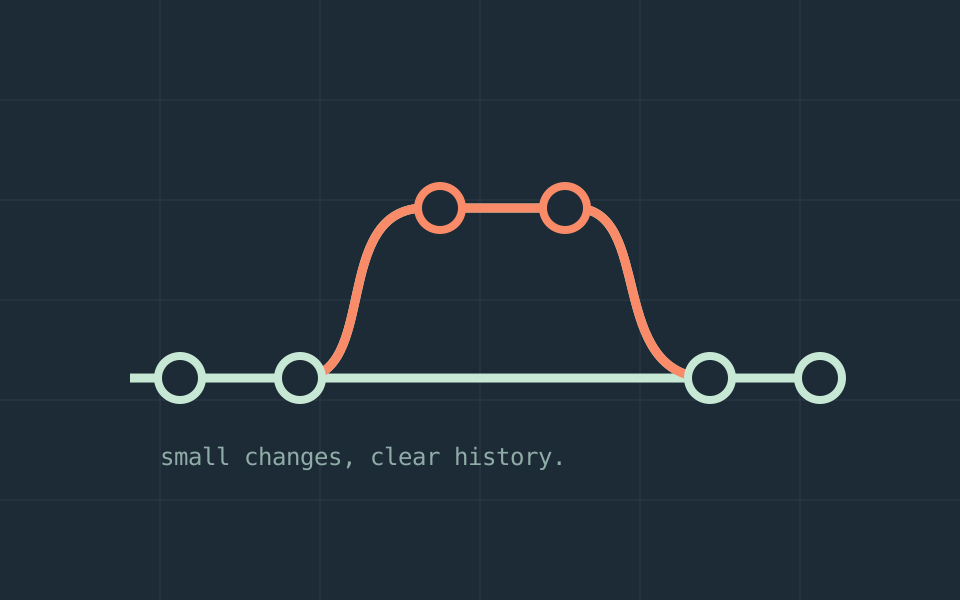
Generating code is one part of delivering an AI automation. Someone still needs to understand the change, verify access rules, deploy it correctly and support the person using it. For Thora Vietnam’s intended delivery process, the first milestone should be one small workflow that works end to end and remains easy to inspect or reverse.
Choose one vertical slice
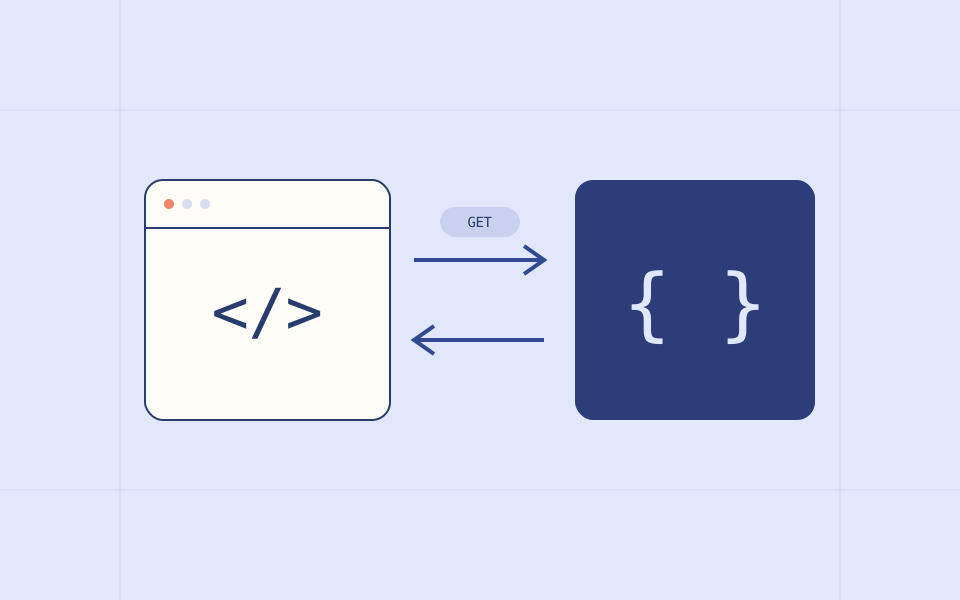
A first slice could let an authorized user submit a sample request, inspect a generated draft and explicitly approve the next action. This touches the interface, server and storage without attempting every future feature. Use synthetic inputs before bringing in appropriately authorized real information.
Give the coding assistant acceptance criteria and the existing interfaces. Ask it to preserve the smallest working path rather than inventing unrelated features.
Review the diff and the failure cases
Read generated changes in manageable pieces. Check ownership, data validation, secrets, dependency changes and the paths that fail. AI review can suggest issues, but it can miss defects or report problems that are not real. A second generated opinion does not replace understanding the code.
Test a denied request and a failed provider call as well as the successful demonstration. The checks should show the user what happened and preserve recoverable work.
Prepare deployment as part of the feature
Write down the environment, required configuration, schema changes and the person responsible for release. Keep secrets outside source code. Confirm that backups and a recovery route exist before a change touches persistent information.
For a small pilot, a deployment checklist and a known previous version can be more useful than an elaborate release system nobody has rehearsed.
Observe the first use and record the next change
After deployment, check the actual user path, error visibility and support burden. Keep the first operational window supervised. Record where the user hesitates, where the assistant’s output needs correction and what fails outside the development environment.
Use those observations in the next Build–Measure–Learn review. A release becomes useful evidence when the team can connect behavior in production to a specific design or delivery decision.
Further reading
Background for the method; the Thora Vietnam workflow above is a proposed application.
GitHub — Responsible use of Copilot inline suggestions